


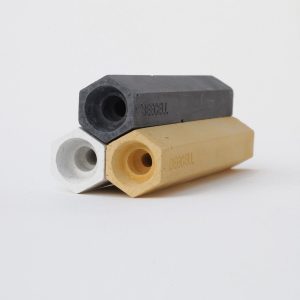
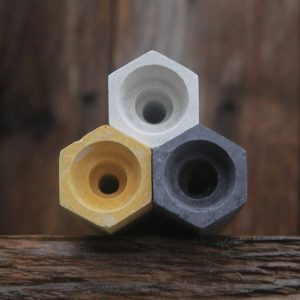

Bee Cell

£7.00
The Bee Cell™ is designed and made by Green&Blue in the UK.
The Bee Cell is a single cell nesting site designed for solitary bees.
Inspired by the guerilla gardening movement, the Bee Cell bee house makes a great gift for the garden lover in your life and is a super easy way to create additional space for cavity nesting solitary bee species. The wrap contains lots of info to help spread awareness about our brilliant bees.
The Bee Cell looks great on a garden wall, in amongst a log pile, on a sunny windowsill, anywhere where you can add a little space for wildlife.
Reviews
There are no reviews yet.